
Do Small Businesses Need a Bookkeeper?
Running a small business involves juggling customers, paperwork, finances and everything else that keeps your business moving. It's easy for bookkeeping to slip down the to-do list.
But how do you know when it's time to get help?
A bookkeeper can help sole traders, start-ups and small businesses keep their financial records accurate, organised and up to date. This can save time, reduce the stress of managing your figures and make it easier to provide the information your accountant needs.
At Fuller Figures, I provide friendly, reliable bookkeeping support for small businesses, with remote services available across Norfolk, Suffolk, Cambridgeshire and beyond.
In this guide, we'll look at the signs you might benefit from a bookkeeper, what bookkeeping support involves and how to decide what's right for your business.
What Does a Bookkeeper Actually Do?
A bookkeeper keeps your financial records organised, accurate, and up to date. This includes tracking income and expenses, reconciling bank accounts, and ensuring your financial data is ready for tax returns and reporting.
Bookkeeping for small businesses typically includes:
- Recording financial transactions
- Managing invoices and receipts
- Bank reconciliations
- Tracking cash flow
- Preparing VAT records
- Keeping software such as Xero or QuickBooks updated
- Preparing reports for accountants
A good bookkeeper doesn’t just “do the numbers” — they help business owners understand their finances and stay compliant with HMRC requirements.
For many businesses across Norfolk, Kings Lynn, Norwich, Suffolk, Cambridge, and the wider East Anglia area, bookkeeping support can save hours of stress each month.
Signs You Need Bookkeeping Help
Not sure whether it’s time to hire a bookkeeper? Here are some common warning signs.
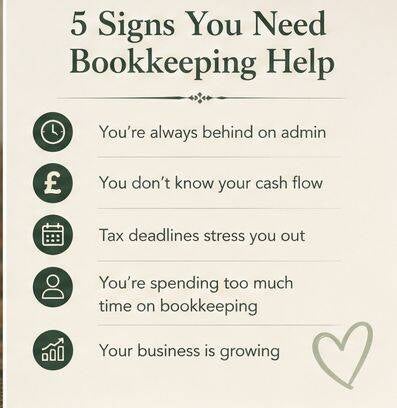
You’re Always Behind on Admin
If receipts are piling up, invoices are overdue, or you avoid checking your accounts because it feels overwhelming, bookkeeping support could make a huge difference.
You Don’t Know Your Cash Flow
One of the biggest benefits of hiring a bookkeeper is gaining a clearer picture of your business finances. If you’re unsure what’s coming in and going out each month, it becomes difficult to plan and grow.
Tax Deadlines Stress You Out
VAT return deadlines and Making Tax Digital (MTD) requirements can quickly become stressful when your financial records aren't organised. Keeping your bookkeeping accurate and up to date can help you stay organised, prepare for important deadlines and provide the information needed for your VAT returns and other tax obligations.
You’re Spending Too Much Time on Bookkeeping
Your time is valuable. If you’re spending evenings or weekends trying to manage spreadsheets instead of focusing on your business, outsourcing bookkeeping may actually save you money in the long run.
Your Business Is Growing
As your business grows, your finances naturally become more complex. More customers, more expenses, and higher transaction volumes often mean bookkeeping takes longer and mistakes become easier to make.
Risks of DIY Bookkeeping
Many small business owners start by managing their own bookkeeping, and that's completely understandable. When you're busy running a business, however, keeping financial records accurate and up to date can become challenging.
Errors Can Be Costly
Incorrect figures, duplicate transactions or missing entries can lead to inaccurate financial records and make it harder to provide the right information when needed.
Overlooked Business Expenses
If expenses aren't recorded correctly, it's easier for business costs to be missed from your records. Keeping accurate bookkeeping records helps ensure your financial information is organised and available when you or your accountant need it.
Poor Financial Visibility
When your records aren't accurate or updated regularly, it can be harder to understand your business's financial position and make informed decisions.
Increased Stress
Trying to keep on top of bookkeeping while running a business can quickly become overwhelming, particularly during busy periods when your attention is needed elsewhere.
Last-Minute Panic
Leaving bookkeeping until the end of the year can result in rushed work, missing paperwork and unnecessary stress. Keeping your records up to date throughout the year can make the process more manageable for both you and your accountant.
Benefits of Hiring a Bookkeeper
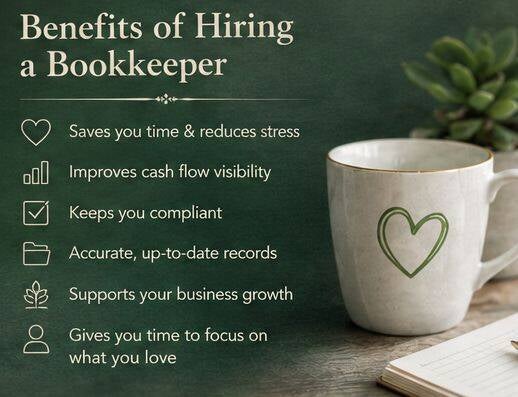
There are many benefits of hiring a bookkeeper for small businesses, including:
- Saving time
- Reducing stress
- Keeping records organised
- Improving cash flow visibility
- Helping with compliance
- Supporting business growth
- Providing accurate financial information
- Giving you more time to focus on running your business
A professional bookkeeper can help turn bookkeeping from a stressful task into a streamlined part of your business operations.
Do I Need a Bookkeeper?
If bookkeeping is taking up too much of your time, causing stress or falling behind, it may be time to consider some extra support.
Bookkeeping support isn't just for large companies. Small businesses, sole traders, start-ups and growing businesses can all benefit from keeping their financial records accurate, organised and up to date.
At Fuller Figures, I provide friendly, reliable bookkeeping support for small businesses across King's Lynn, Norfolk, Norwich, Suffolk, Cambridgeshire and the wider East Anglia area, with remote services available throughout the UK.
Whether you need ongoing bookkeeping support or help getting your records back on track, I'm here to help with care, clarity and heart.
Bookkeeping with Heart 💚
If you'd like to find out how I can support your business, get in touch with Fuller Figures.

Frequently Asked Questions
Is hiring a bookkeeper worth it for a small business?
For many small businesses, yes. A bookkeeper can help save time, keep financial records accurate and organised, and make it easier to understand your business finances. Regular bookkeeping can also help you prepare for important deadlines and provide information your accountant may need.
Can a bookkeeper help with VAT returns?
Yes. A bookkeeper can help maintain accurate VAT records and, where this service is offered, prepare and submit VAT returns. At Fuller Figures, VAT return support is available as an additional service.
What’s the difference between a bookkeeper and an accountant?
A bookkeeper generally focuses on maintaining day-to-day financial records, recording transactions and reconciling bank accounts. An accountant may provide services such as preparing year-end accounts, tax returns and tax planning, depending on their qualifications and the services they offer. Many small businesses benefit from using both.
How often should bookkeeping be updated?
Ideally, bookkeeping should be updated regularly, usually weekly or monthly, depending on the number of transactions and how busy your business is. Keeping records up to date throughout the year can make it easier to monitor your finances and reduce the pressure of catching up at year-end.
Looking for Small Business Bookkeeping Support?
If keeping your books up to date is taking time away from running your business, Fuller Figures can help.
I offer friendly, practical bookkeeping support tailored to your business needs, whether you're a sole trader, just starting out or running an established small business.
Explore my small business bookkeeping services to find out how I can support your business, or get in touch to discuss the support you need.
Bookkeeping with Heart 💚